
Self-Aware and Self-Deprecating: Why We Joke Through Memes
If you’ve ever sent, received, or responded to something mildly traumatic with a meme instead of verbally articulating how you feel, this is for you.
We Don’t Say It, We Send It
There’s a very specific kind of relief that comes from seeing a meme that is totally relevant to how you’ve been feeling, but felt embarrassed to say it out loud. You screenshot it. You send it to your three best friends, knowing they will pick up on what you’re putting down. You post it to your secret, private Instagram account. And somehow, just doing that makes that unbearable feeling just a little more bearable.
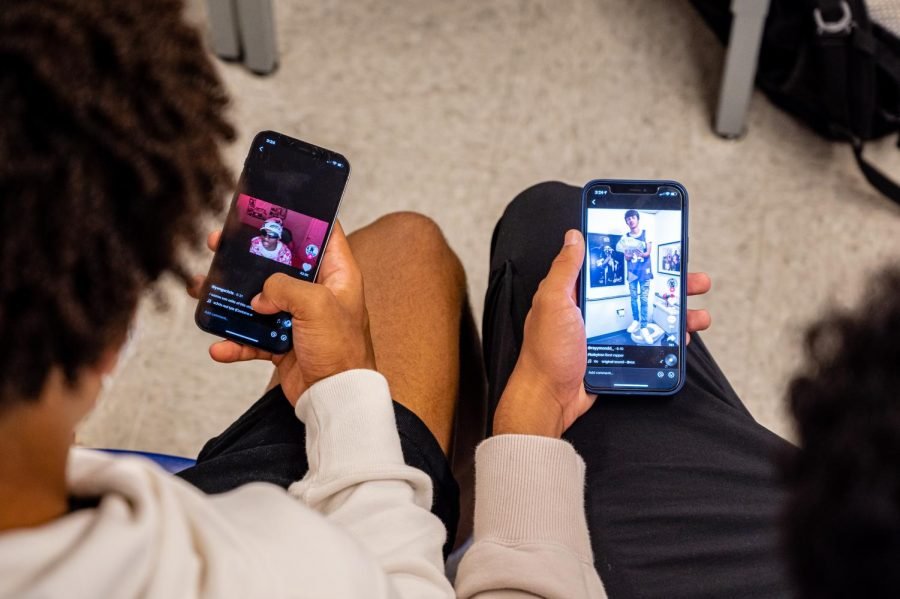
While memes originally served one role: to be humorous and make people laugh, they now serve two; joking through memes has also become a coping mechanism. For Gen Z, memes aren’t just funny surface-level things we laugh at; they are how we process things we don’t know how to put into words. They’re how we say “I’m going through it” without triggering a wellness check. They’re how we bond, grieve, spiral, and survive.
Sourced from u-high midway
It’s a Shared Emotional Language
Memes have become this shared emotional language where no one has to overexplain or be uncomfortably vulnerable. You send one video, one screenshot, one oddly specific tweet, and suddenly your entire mood is understood. The thing that felt shameful feels shared. No paragraph needed, no awkward disclosure.
The format is simple, but the function is deep. “I feel this. Does anyone else feel this?”, and the answer is almost always yes. The likes, shares, and “silent repost” comments are all just people raising their hands. This type of humor creates community out of chaos.
It sounds unhinged, but humor makes things feel lighter.
Why Self-Deprecating Humor Feels So Safe
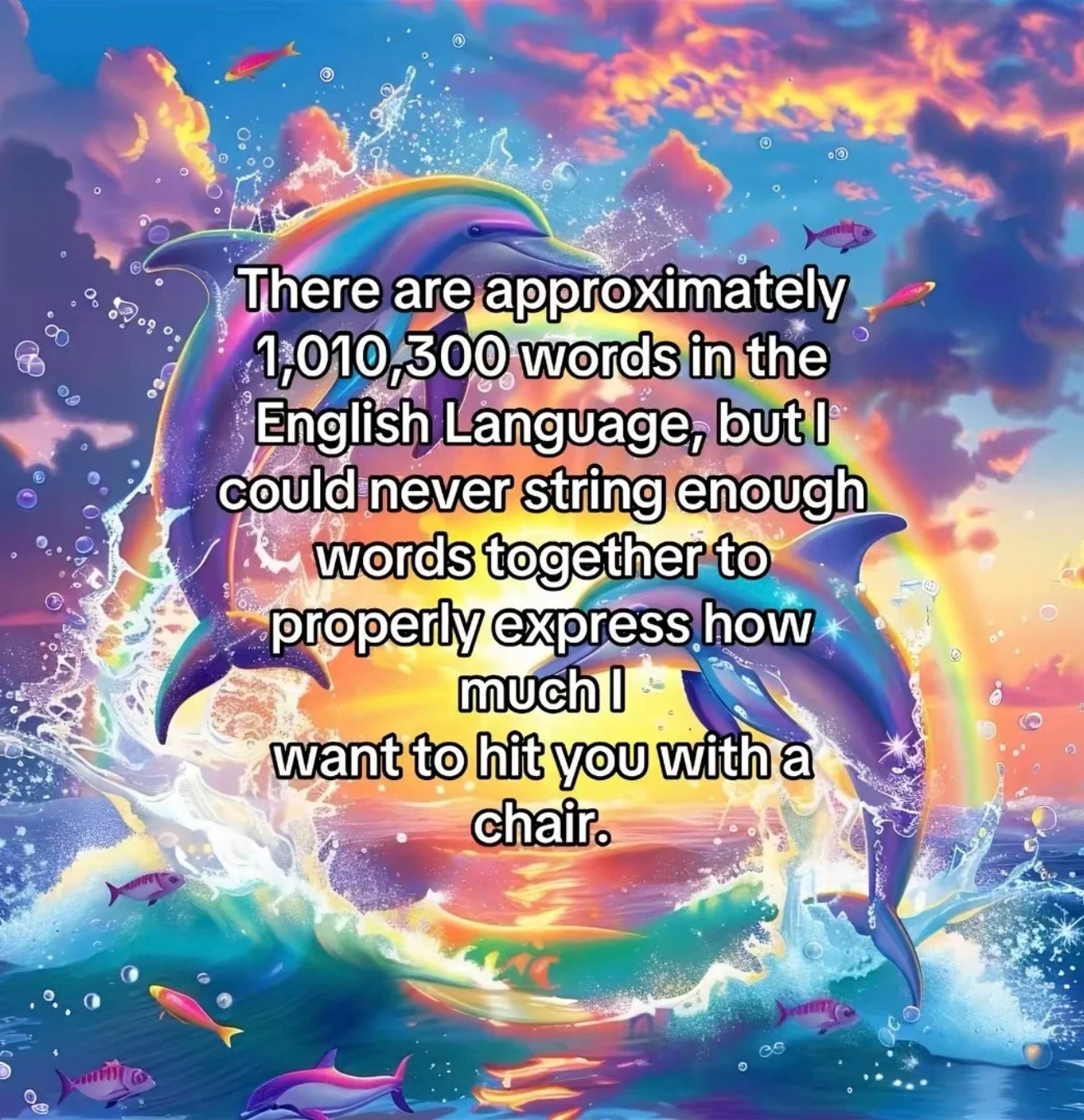
Self-deprecating memes have this weird but effective way of validating feelings without making them feel too heavy. Saying “I hate my life” is concerning, but posting a meme that says “I hate my life” in a funny font, with rainbows and dolphins in the back, and a Zara Larsson song playing feels safer and softens the edges.
We joke about everything, from mild anxiety to severe relationship issues, because if we can manipulate the stress and turn it into something funny, it feels much more manageable.
Sourced from TikTok
A Language Made of References
On top of all of this, there’s the pop culture layer.
Quoting a specific vine, referencing a niche red carpet interview that blew up online, or even reciting a song creates an instant connection. Shared cultural references are inside jokes at internet scale. You can meet a stranger in a TikTok comment section and bond immediately over one Trisha Paytas frame used exactly in the right context.

We use pop culture references and memes to:
Soften hard conversations.
Signal that we understand each other
Build identity around what we find funny
Turn collective anxiety into something laughable
Sourced from Pinterest
When The Joke Does Too Much Heavy Lifting
When everything becomes a joke, it can be hard to tell when something really isn’t. And sometimes the humor is doing too much heavy lifting.
When memes start replacing actual check-ins too often, the humor can become a wall instead of a bridge. There’s a difference between laughing at your anxiety and hiding behind it, and sometimes those can feel scarily identical. If you’re always masking how you feel with humor, people may not notice when you actually need help. Or worse, you may not be able to tell yourself.
The goal isn’t to stop joking. A great use of a meme can say “I see you” or “This is how I feel” better than a paragraph ever could. So yes, send the meme and laugh about it. But every once in a while, say it plainly. Memes can open the door to connection, but real conversation is what keeps the connection.
So What?
Memes and internet references make it easier to connect, cope, and feel understood, and there’s no reason to feel embarrassed about it. With that being said, it shouldn’t be the only way we express how we feel.
Here’s the takeaway:
Notice the pattern
Let the meme be the icebreaker, not the whole conversation
Don’t shame yourself for coping creatively
Recognize when someone else is meme-talking to you
Don’t forget, you learned to communicate through memes, but you were always fluent in something deeper.
